

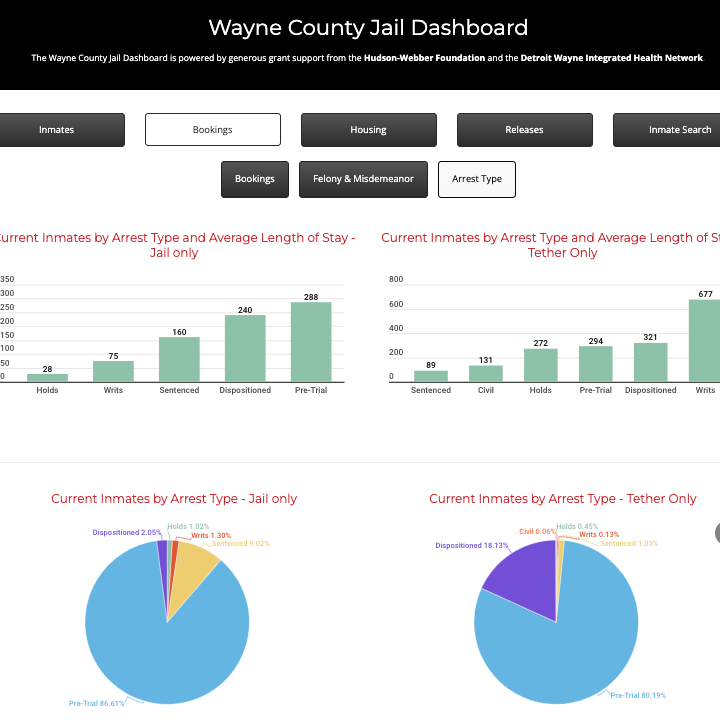
WAYNE COUNTY JAIL DASHBOARD
The Jail Dashboard is an interactive tool that provides information from the Wayne County Jail’s management system. It is updated every day and provides summary information about the current inmate population including the demographic makeup of current jail inmates, the types of supervised facilities, how long inmates have stayed, their types of Bookings and Arrest Types, Housing availability, and counts of inmates released from County supervision. Wayne County Sheriff’s Office receives a lot of questions about the jail population. This tool was created in an effort to be transparent with the public about the characteristics of our supervised population and to answer some of the common questions we receive about our inmates.
The Wayne County Jail Dashboard is powered by generous grant support from the Hudson-Webber Foundation and the Detroit Wayne Integrated Health Network.
THE LATEST NEWS FROM THE WCSO
Message From Sheriff Raphael Washington

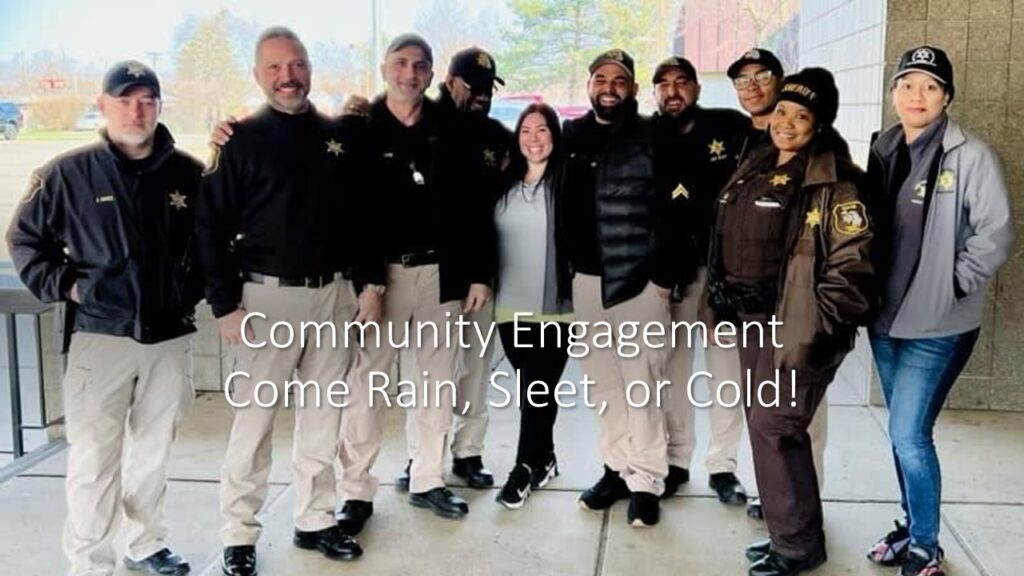
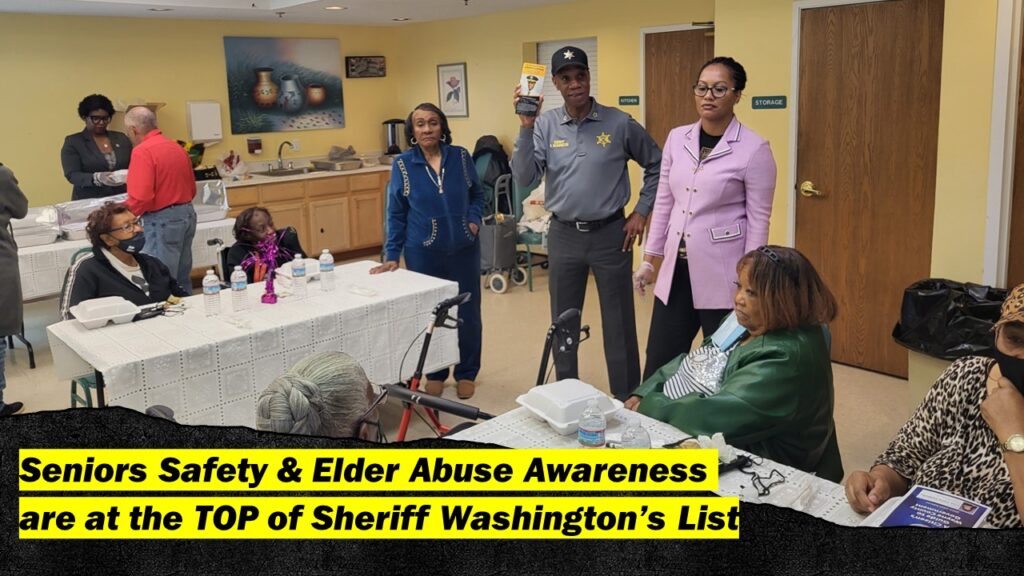
We are off to a great start here at the Wayne County Sheriff’s Office and I encourage you to stay healthy and safe! Our 2023 was a banner year with record numbers of individuals applying to become a Sheriff’s Deputy, an increase in connecting with both our Youth and Seniors, an outstanding S.C.O.U.T (Sheriff’s Community Organized Urban Team), and an increased number of Community Outreach partnerships, to name a few!
Hearing from residents across the county, Wayne County Sheriff’s deputies from across the agency, have served our 43 cities and townships well. Whether it was our Road Patrol unit, Mounted Police, Marine Division, or our Courts, I couldn’t be more excited about the professional work done by our staff.
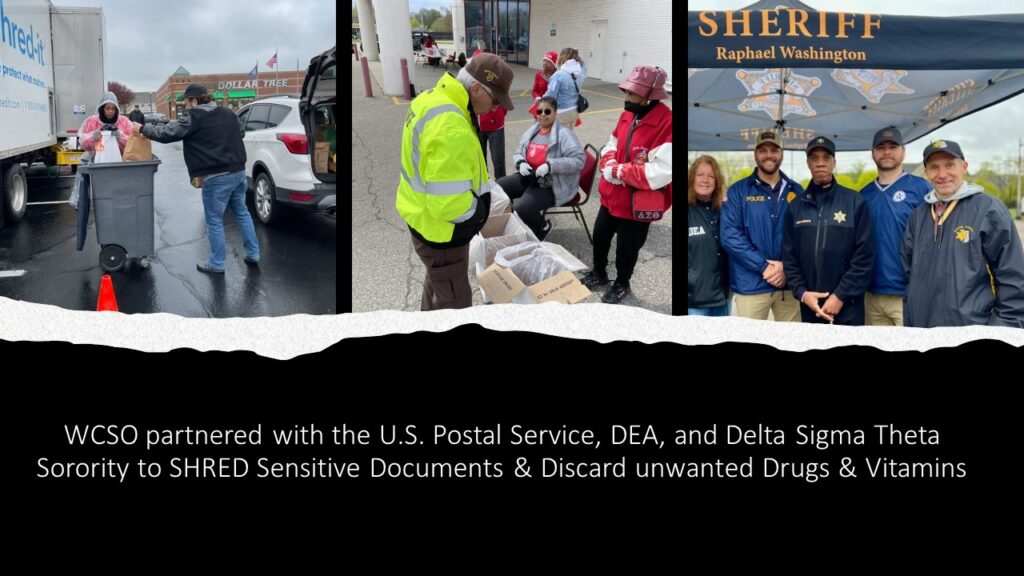
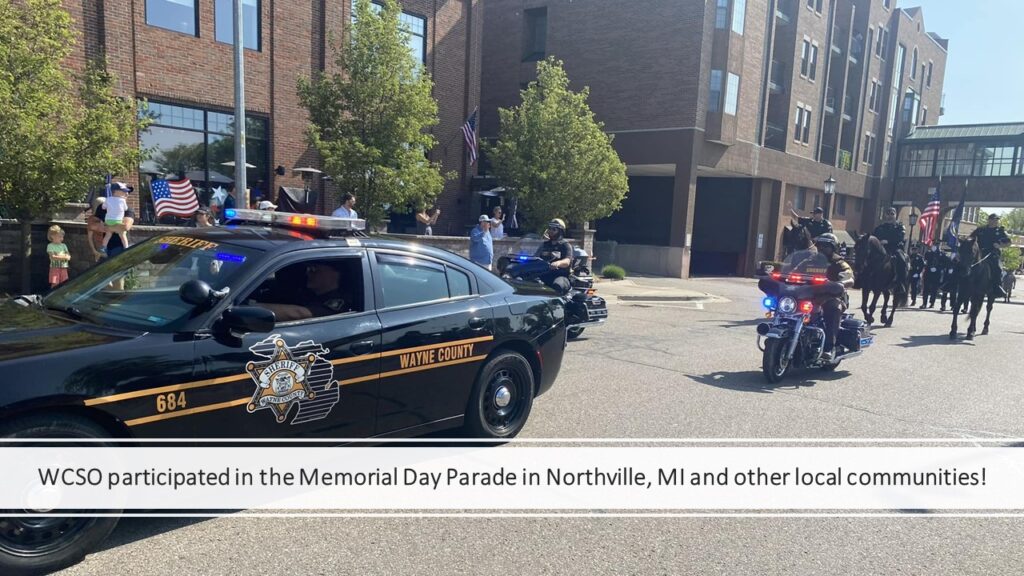
You may have seen us at a Parade in your community, a community Law Enforcement Day, or a Drug takeback event. In fact, holidays are important to the Wayne County Sheriff’s Department because we have a chance to hear your concerns and your praises while celebrating the occasion.
As we prepare to move into our new Criminal Justice Facility, a brand new, State-of-the-art facility located in Detroit at Warren and I-75, we are excited to leave the antiquated jails where we can serve those in our custody with the dignity and professional care they deserve.
Finally, if you have a community event coming up this year that you’d like us to be involved in, contact our Community Outreach department at 313.224.0614. On that same note, we are hiring and looking for good people who want to protect and serve. Maybe you know someone who fits that bill and is ready to join our team. If so, we would love to participate in Job Fairs in your community. Otherwise, you can have them call our Recruiting team at 313.224.0634.
Click here For more information and to download our application!
Mission Statement
The responsibility of the Wayne County Sheriff’s Office is to maintain the highest standard of integrity and professional excellence and to protect the lives and property of Wayne County citizens while objectively enforcing local and state laws. It is our duty to serve our community and provide a secure, safe, and humane environment for inmates remanded to our jails. It is our mission to provide our staff and the public fair and equal treatment and protection, and to strengthen the public’s trust through continued transparency and accountability.
Meet Sheriff Washington
Wayne County Sheriff Raphael Washington’s primary duties are to uphold the constitutional laws of the county. The mandated county duties are the protection of the county parks, courts, and jails. He has nearly four decades of solid law enforcement and management experience. read more
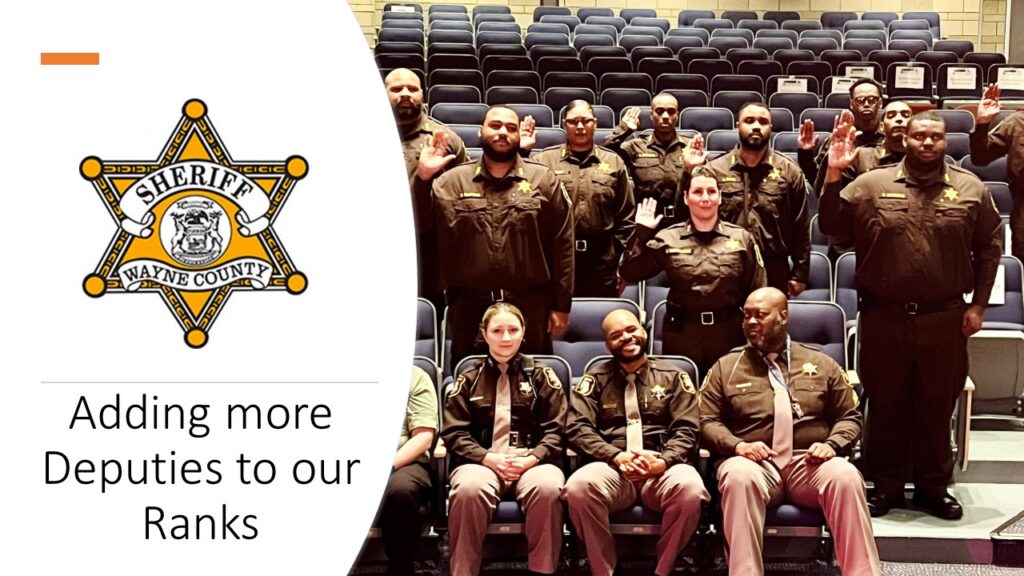
BECOME A WAYNE COUNTY SHERIFF’S DEPUTY
There is no higher calling than to work as a professional deputy with the mission of protecting the lives and property of everyday citizens. It takes a special individual to accept the challenge and responsibility of working as a sheriff’s deputy.
- Competitive Salaries
- Medical Coverage
- Vacation and Sick Time
- Retirement Package
- Promotional Opportunities
- Continued Job Training
- Dental and Optical Coverage
- Tuition Reimbursement






JAIL LOBBY KIOSK NOTICE
TO PREVENT THE SPREAD OF CORONAVIRUS, COVID-19, THE WAYNE COUNTY SHERIFF’S OFFICE REQUIRES INMATE ACCOUNT DEPOSITS TO BE MADE BY WAYS OTHER THAN USING THE JAIL LOBBY KIOSK. DEPOSITS CAN BE MADE THE FOLLOWING WAYS:
